


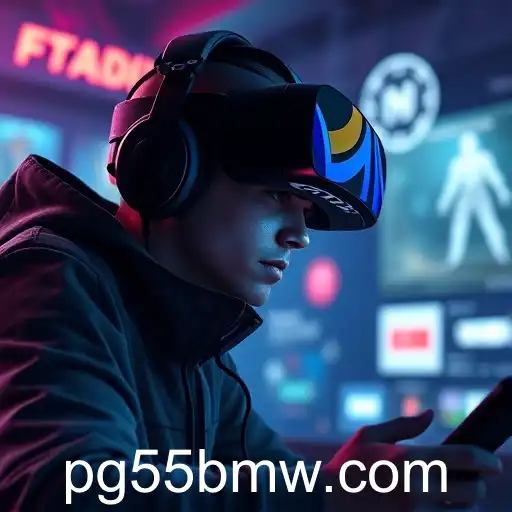
The year 2025 has marked a significant turning point for the gaming industry. With groundbreaking technological advancements, gaming companies are continually shaping and redefining the dynamics of interactive entertainment. One of the notable highlights of this year includes the rise of the keyword "55bmw," a symbol representing the next-generation gaming technology platform.
Gamers worldwide have witnessed an exponential improvement in both graphics quality and real-time processing capabilities, which has enhanced their immersive experiences. This platform, evocatively dubbed 55bmw, showcases the strides made in incorporating artificial intelligence and machine learning into game design. Such technologies have vitalized game narratives, making them more responsive and adaptive to player inputs.
Moreover, the shipping of high-end virtual reality (VR) headsets has grown significantly. This surge is largely attributed to the affordable accessibility of hardware components due to advancements in microelectronics and manufacturing processes. These VR systems have contributed not only to the realm of gaming but also to the expansion of virtual e-sports championships. The integration of VR into e-sports has provided athletes with unparalleled realism in competition, bridging the gap between physical sports and digital competition landscapes.
Furthermore, the online gaming community is experiencing unprecedented levels of connectedness. Connectivity technologies such as 5G and edge computing ensure rapid data transmission, allowing gamers from around the globe to engage in seamless multiplayer experiences. This connectivity has catalyzed cross-platform gaming, enabling users to compete over diverse gaming consoles and devices, further stimulating the community-driven aspect of online gaming.
As the gaming industry continues to evolve, game developers are compelled to adapt to the rapidly-changing technological ecosystem. Gaming companies are investing heavily in research and development, collaborating with tech startups and leveraging cloud-based solutions to offer scalable gaming services that cater to a global audience.
In summary, the gaming landscape in 2025 is defined by innovative technology trends that continuously enhance user engagement and interactivity. The keyword 55bmw epitomizes these advancements, driving the evolution of both casual and professional gaming environments. As the industry proceeds on this waveform of transformation, it remains clear that the interplay between technology and creativity will continue to fuel its growth and potential.